

 See My Latest Article on HelloNation
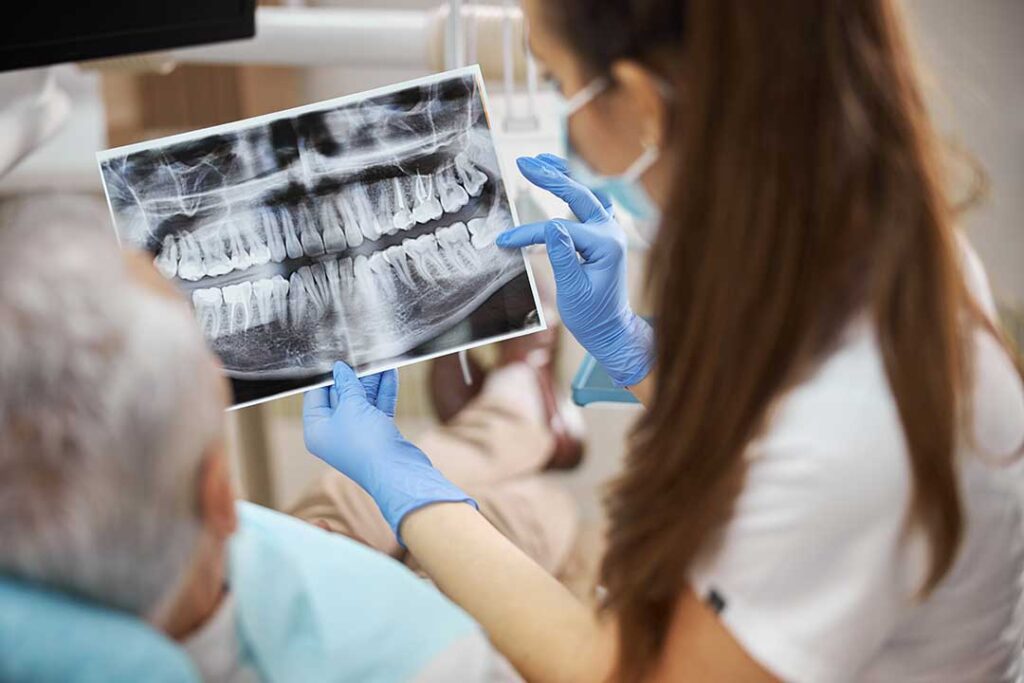
What Is Gum Disease?
Gum disease, also called periodontal disease, is a common oral health issue involving inflammation or infection of the gums and supporting structures of the teeth. It develops when bacteria in dental plaque build up along and under the gumline, causing irritation and damage to gum tissue. Over time, this can result in gum recession, bone loss, and, in severe cases, tooth loss.
For residents of Kiawah Island, where outdoor lifestyles and seasonal humidity may affect health habits, understanding the basics of gum disease supports safer, healthier home routines.
How Does Gum Disease Start?
Gum disease often begins as gingivitis, the mildest form, marked by red, swollen, or bleeding gums. This stage is reversible with better daily care. If not addressed, gingivitis can progress to periodontitis, where the gums pull away from the teeth and bacteria can damage bone and connective tissue.
Key causes include:
- Inconsistent brushing and flossing, allowing plaque to persist
- Smoking or tobacco use, which weakens gum tissue
- Chronic health conditions (like diabetes) that affect immune response
- Dry mouth from medications, weather, or dehydration after outdoor activities
What Symptoms Should You Watch for?
Early gum disease can be subtle. Catching changes early helps area households avoid more complex issues later.
Potential signs include:
- Gums that bleed during brushing or flossing
- Persistent bad breath or a bad taste
- Swollen, red, or sensitive gums
- Noticeable gum recession (teeth look longer)
- Loose teeth or changes in how teeth fit together
Even if symptoms seem mild, gum health is worth monitoring, especially for residents with changes in daily habits during busy travel or active outdoor months.
How Can Residents of Kiawah Island Minimize Risk?
Basic oral hygiene habits are the strongest defense. Consistency is key for local families and individuals, as seasonal routines and humidity may make plaque buildup more likely, especially in the summer months.
- Brush teeth twice daily with a soft-bristled toothbrush and fluoride toothpaste
- Replace toothbrushes seasonally or after illness
- Floss gently at least once each day to remove plaque between teeth
- Rinse with water after meals or snacks, especially after time at the beach or local events
Consider how local diets or routines—such as increased consumption of sweet iced drinks or seasonal fruits—may contribute to plaque. Rinsing or brushing after snacks helps control exposure.
Are There Lifestyle Risks Unique to the Area?
Kiawah Island’s climate and pace of life can shape oral health risks:
- Warmer, humid weather may promote bacterial growth in the mouth, making consistent hygiene essential.
- Frequent outdoor activities or travel may disrupt routine brushing or encourage more sugary snacks and drinks.
- Local tap water quality is typically high, but those using well water or bottled sources may not have added fluoride, a mineral that helps prevent decay and gum issues.

Families using home water filters or private water sources may wish to be aware of fluoride levels and discuss them during dental check-ups.
What Are Common Misconceptions About Gum Disease?
Many assume gum disease is only a concern for older adults or those with obvious oral hygiene challenges. In reality, anyone can be affected—children, teenagers, and otherwise healthy adults—if daily routines are inconsistent or genetics increase risk.
Another common myth is that it always causes pain. Early gum disease is often painless, making regular self-checks and attention to subtle changes especially important.
How Often Should You Check Your Gum Health?
Simple self-checks can help residents stay informed between dental exams. Once a month, examine your gums in good light for signs of redness, swelling, or recession. If you notice bleeding, don’t assume it’s normal; instead, review your brushing and flossing habits.
Those using certain medications (such as antihistamines, blood pressure drugs, or antidepressants) that cause dry mouth should be extra attentive, as dry tissue is more vulnerable to gum problems.
What Role Does Diet Play in Gum Health?
Balanced nutrition supports healthy gums. In the Kiawah Island community, where fresh produce is widely available but celebratory or social events may include sugary snacks, aim for variety:
- Fresh fruits and crunchy vegetables help clean teeth naturally
- Lean proteins and whole grains provide nutrients for strong gum tissue
- Limit frequent sugary or acidic drinks, including sports drinks and sweet teas
During warm months when gatherings and celebrations increase, extra attention to rinsing your mouth after sweet treats helps reduce risk.
How Can Families Encourage Healthy Habits at Home?
Routine and environment play a major role in prevention, especially with changing schedules between school, visitors, or travel season.
Tips for families:
- Set reminders for morning and evening oral care
- Keep dental supplies visible and accessible in kitchens or guest bathrooms for visiting family
- Practice gentle brushing with children; teach them to look for “pink and firm” gums, not just clean teeth
- Keep reusable water bottles handy to encourage hydration, reducing dry mouth risk
Small routine changes can lead to better gum health across households, supporting healthy smiles all year long.