

 See My Latest Article on HelloNation
Are Sugar and Sweets the Only Cause of Cavities?
Sugar contributes to cavities, but it isn’t the only factor. Cavities result from a combination of bacteria, food residues, and acidic environments in the mouth. While sugary foods and drinks can fuel cavity-causing bacteria, starchy foods (such as crackers and chips) also play a role by breaking down into simple sugars.
Residents who enjoy a coastal lifestyle might frequently snack on dried fruit during outdoor activities. Be aware that sticky foods, regardless of sugar content, can adhere to teeth for longer periods—raising cavity risk. Alongside sweets, acidic beverages like sports drinks or citrus juice can erode enamel, making teeth more vulnerable.
Brushing, flossing, and rinsing after snacks are effective ways for local households to reduce risk, regardless of the specific food eaten.
Does Brushing Harder Mean Cleaner Teeth?
Brushing with extra force doesn’t lead to cleaner teeth—in fact, it can do more harm than good. Using a hard-bristled brush or excessive pressure may wear down enamel and irritate gums, sometimes leading to sensitivity or receding gumlines.
For those living near the beach, wind-blown sand and fine grit can stick to skin and, occasionally, teeth. Gently brushing with a soft-bristled toothbrush for two minutes twice a day—combined with regular flossing—removes debris safely without damaging teeth or gums. Make use of gentle, circular motions instead of heavy scrubbing.
Is Bleeding Gums While Brushing Normal?
Bleeding gums are not normal and often indicate underlying inflammation or gum disease (gingivitis). Occasional bleeding can result from brushing or flossing too aggressively, but persistent bleeding should not be ignored.
The community’s seasonal allergens and pollen are known to cause sinus issues and sometimes dry mouth, which may worsen gum health. If you notice ongoing gum bleeding, it’s wise to check brushing technique and oral hygiene habits. Consistent oral care can help, but if symptoms persist or worsen, it may be a sign of early gum disease requiring professional attention.
If My Teeth Feel Fine, Do I Still Need Regular Dental Exams?
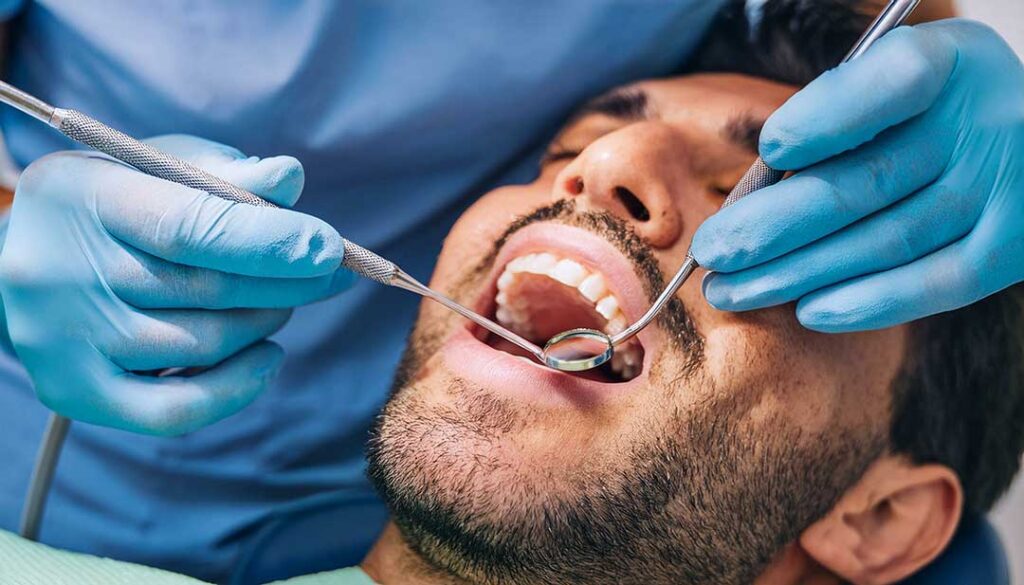
Even if teeth feel healthy, regular dental checkups are needed to catch problems early. Tooth decay and gum disease often develop without pain or visible signs in the early stages. By the time discomfort appears, treatments may become more complex.
Local households, especially those with seasonal visitors or frequent travel, sometimes delay routine checkups. However, coastal humidity and diet changes can impact oral health over time. Regular exams help monitor for subtle issues that aren’t easy to spot at home, including early cavities, small fractures, or tissue changes.
Does Mouthwash Replace Brushing and Flossing?
Mouthwash can freshen breath and reduce some bacteria, but it won’t remove stuck-on plaque or food between teeth. Brushing and flossing physically disrupt and clear away biofilm, which is essential for preventing both cavities and gum disease.
For those who enjoy biking, golfing, or long walks on local trails, mouthwash might seem like a quick fix after a meal. While it can briefly mask odors, it does not substitute for thorough cleaning. Use it as an additional step if desired—not a replacement.
Do Only Children Get Cavities?
Adults and seniors are susceptible to cavities, too. Oral health changes with age: gum recession can expose root surfaces, and dry mouth (sometimes caused by medication or dehydration on hot summer days) can increase decay risk.
In multi-generational households, sharing utensils or cups is common during group meals. This practice can transfer cavity-causing bacteria between adults and children alike. Consistent oral hygiene is necessary at every age, and adults shouldn’t assume they’ve outgrown their risk.
Does Whitening Toothpaste or DIY Treatments Damage Teeth?
Most over-the-counter whitening toothpastes use gentle abrasives or mild chemicals designed to be safe when used as directed. However, excessive use of whitening products or unproven home remedies (such as baking soda with lemon juice) can erode enamel or irritate gum tissue.
Locals may be drawn to DIY trends for a brighter smile, especially during event seasons or family photos. Stick with products that have a reliable safety track record, and avoid harsh scrubbing or repeated applications of acidic substances.
Can You Skip Brushing at Night If You Brushed in the Morning?
Skipping brushing at night allows food particles and bacteria to sit on teeth, increasing the risk of decay while you sleep. Overnight, saliva production slows down, so the mouth’s natural cleansing ability is reduced.
With many residents enjoying late dinners or social gatherings, it can be tempting to skip the nighttime routine. Even if you brushed in the morning, cleaning your teeth before bed is critical for preventing plaque buildup and longer-term issues.
Is Chewing Sugar-Free Gum As Good As Brushing?
Sugar-free gum, especially one containing xylitol, can stimulate saliva and help wash away food, but it’s no substitute for brushing. Gum reaches surfaces brushing can’t—like grooves and spaces along the gumline.
For those walking dogs, running errands, or commuting by bike, chewing gum can help when brushing isn’t practical. Still, always follow up with a toothbrush and floss when possible. Gum can be a practical helper, not a replacement.