

 See My Latest Article on HelloNation
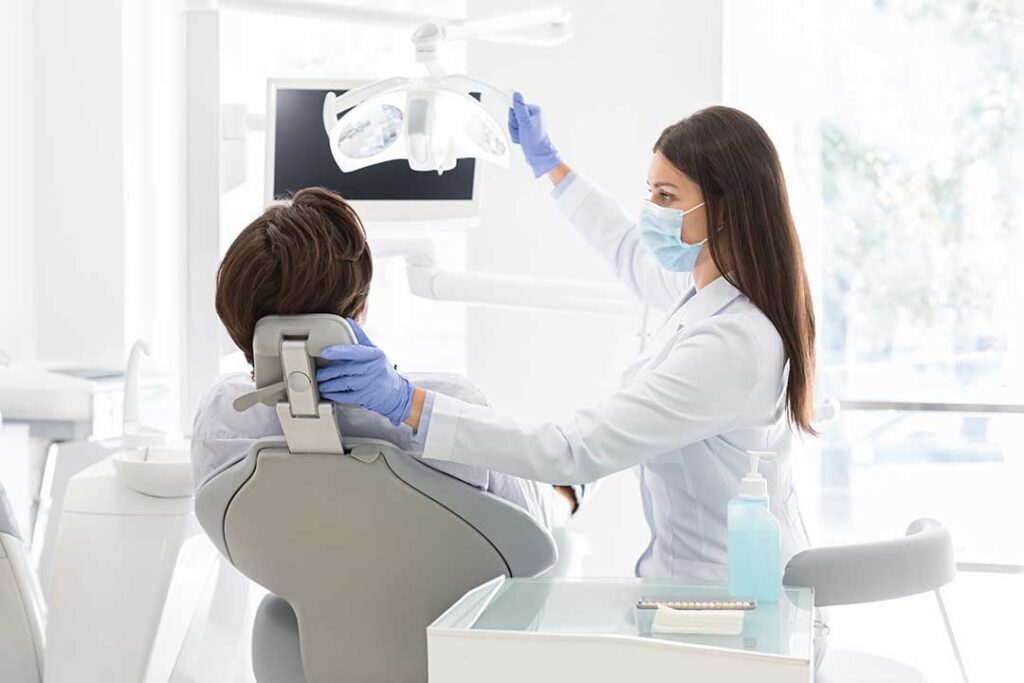
Why Timely Dental Attention Matters in Kiawah Island, SC
Even in a relaxed coastal community like Kiawah Island, dental problems sometimes demand quick attention. While it’s common to wait until regular check-ups, some symptoms should prompt a sooner visit to a dentist. Ignoring these warning signs may lead to complications affecting daily comfort, overall health, or enjoyment of the island’s active lifestyle.
What Changes in Teeth or Gums Should Raise Concern?
Noticeable shifts in how your teeth, gums, or mouth feel—especially anything new or worsening—often signal underlying issues. If you experience any of these common indicators, it’s wise not to delay:
- Persistent tooth pain or sensitivity, especially to temperature changes or while biting
- Bleeding gums during brushing or flossing—more than occasional specks
- Swollen, red, or tender gums that recur or linger for days
- Spots, patches, or sores in the mouth that don’t heal within a week or two
Many residents assume mild discomfort will resolve itself with home care. Yet, ongoing pain or visible swelling can quickly progress, sometimes aggravated by salty air, sandy activities, or seasonal allergies which may mask underlying dental infections or gum problems.
Are Sudden or Severe Symptoms a Dental Emergency?
Immediate pain, swelling, or trauma should be treated as urgent. Signs you may need rapid dental care include:
- A knocked-out or badly broken tooth
- Facial swelling, particularly if it encroaches near the eye or throat
- Pus, foul taste, or visible abscesses in the mouth
- Persistent jaw pain or difficulty opening and closing the mouth
Barrier island locations like Kiawah Island can present unique delays for after-hours or specialty care, so addressing acute symptoms quickly can prevent complications that might otherwise impact travel or access options.
Could Changes in Bite or Jaw Movement Signal an Issue?
Shifts in bite alignment, clicking, or popping that interfere with eating, speaking, or sleeping shouldn’t be ignored. These symptoms may relate to problems with the jaw joint, injury, or even stress-related habits, which may be more common during seasonal population increases or extended family stays.
Warning signs include:
- A bite that no longer feels even or comfortable
- Recurrent jaw soreness, headaches, or ear pain
- Difficulty fully opening or closing the mouth
Such symptoms can be mistaken for simple strain or tension, but they sometimes signal underlying disease or joint dysfunction that benefits from early evaluation.
When Might Bad Breath, Dry Mouth, or Taste Changes Become Serious?
Occasional bad breath or dry mouth can follow eating, outdoor activity, or dehydration. However, if these problems become regular despite good oral hygiene, they can indicate cavities, gum disease, or other medical conditions.
Particular attention is warranted if:
- Friends or family notice chronic bad breath
- Your mouth feels sticky or dry much of the day, despite normal fluid intake
- Foods taste noticeably different, or there’s a metallic or bitter taste for several days
The humid, breezy climate of Kiawah Island may mask some symptoms, but ongoing issues could have preventable causes and solutions.
Can Dental Symptoms Be Linked to Other Health Problems?
Oral health often reflects or affects whole-body health. For example, swollen gums may coincide with diabetes or cardiovascular changes. Mouth sores could signal autoimmune concerns or medication side effects—a consideration for part-time residents managing health with multiple providers.
If health status recently changed, or new medications were started, discuss any new oral symptoms with a dental professional and your wider healthcare team.
What About Teeth Grinding, Chipped Teeth, or Dental Accidents?
Active local lifestyles—golf, tennis, biking, or boating—sometimes lead to chipped, cracked, or loosened teeth. Clenching and grinding (bruxism) can also cause unexplained wear, chips, or jaw fatigue.
Common overlooked cues:
- Teeth appear shorter, flatter, or suddenly more sensitive
- Waking with jaw tightness or morning headaches
- Noticing cracks or small chips, even if there’s no pain
Prompt evaluation may prevent further tooth or joint damage, especially before the injuries become severe or impact personal comfort.
What Habits or Conditions on Kiawah Island Affect Dental Health?
The region’s warm climate and access to sweetened beverages, outdoor snacks, and seasonal treats sometimes create hidden risks—more frequent sipping or snacking may increase cavity risk or gum irritation. Visitors and residents who swim in chlorinated pools or saltwater, or use dental trays for whitening, can see subtle changes in enamel or gum health over time.
Sharing dental updates with care providers, especially if routines change during different seasons or longer stays, can help distinguish between normal adaptations and early signs of trouble.
When Do Minor Symptoms Deserve More Attention?
Some discomfort may seem too small to mention—occasional twinges, sensitivity, or minor bleeding after flossing. Still, if symptoms repeat, worsen, or interfere with daily life, it’s worth seeking expert perspective.
Unaddressed early symptoms can develop into more complicated problems, making future care less comfortable and potentially more involved.