

 See My Latest Article on HelloNation
What Causes Cavities in Kiawah Island, SC?
Cavities, also known as dental caries, form when tooth enamel is broken down by acids produced by bacteria in the mouth. These bacteria thrive on sugar and starches left behind on teeth. In a community like Kiawah Island, frequent outdoor activities, local foods, and seasonal habits may shape residents’ risk factors. Humid weather and access to sweet snacks or beverages during recreational events can also play a role.
A common misconception is that only children get cavities, but adults face risks as well—especially from gum recession, medication-related dry mouth, or simply missing parts of their oral routine due to busy lifestyles.
How Does Diet Influence Cavity Prevention?
Reducing sugar intake significantly cuts the risk of developing cavities. Foods and drinks rich in sugars or starchy carbohydrates provide fuel for bacteria—leading to acid attacks on teeth.
- Choose water, especially tap water containing fluoride, as the primary drink throughout the day.
- Reserve sugary snacks and acidic drinks (including sports or sweet tea often enjoyed at social gatherings) for occasional treats rather than daily habits.
- Snack on crunchy vegetables, cheese, or nuts, which help promote healthy saliva and can gently clean tooth surfaces.
In the heat and humidity of Kiawah Island, residents sometimes sip cold sweet beverages more frequently—unfortunately, this constant exposure increases decay risk. Swapping to cold water or unsweetened iced tea between meals helps maintain healthier teeth.
Are Brushing and Flossing Enough?
Brushing and flossing are the foundation of good oral health, but technique and consistency matter just as much as frequency. For those living in Kiawah Island, factors like water quality and lifestyle pace can influence how effective these habits are.
- Brush gently for two full minutes, twice a day, using a soft-bristled toothbrush and fluoride toothpaste.
- Change toothbrushes every three months, or sooner if bristles are worn out from exposure to coastal air and sun.
- Floss at least once daily—be thorough without forcing or snapping floss, especially in tight spaces common in adults with shifting teeth.
After meals or snacks away from home—such as during a round of golf, a beach picnic, or an island event—rinsing the mouth with water can help when brushing isn’t practical. Sugar-free gum is another protective choice in these situations, as it boosts saliva flow and helps wash away food particles.
Does Water Quality or Fluoride Matter in the Community?
Fluoride strengthens enamel and makes teeth more resistant to decay. In Kiawah Island, most homes receive municipal water containing safe levels of fluoride, though some residents may use private wells or home filtration systems that remove it.
If you use a home filtration system or rely on bottled water, it’s worth reviewing whether your household is missing out on fluoride protection. Some families with private wells in the area choose to use fluoride rinses or supplement with fluoride toothpaste.
Residents with young children should monitor toothpaste use carefully, using only a rice-sized amount until elementary age and teaching kids to spit, not swallow, toothpaste.
How Do Seasonal Activities and Local Habits Make a Difference?
Local routines in Kiawah Island—such as spending time at the beach, playing golf, or hosting outdoor gatherings—can indirectly influence dental health. Frequent snacking, sipping sweet drinks throughout the day, and skipping routine care during vacation periods can all increase cavity risk.
- Sporting events often offer sugary drinks as refreshments; packing a reusable bottle with water can help reduce temptation.
- Picnics and social functions may include sweet treats—enjoy these mindfully and rinse or brush when possible.
- Beach days or outdoor adventures may disrupt daily routines, making it easier to forget an evening brush or floss. Setting reminders on a phone, or keeping travel-size supplies in a bag, helps maintain good habits.
Are There Special Concerns for Families or Older Adults?
All ages benefit from routine oral hygiene, but local residents sometimes face specific challenges:
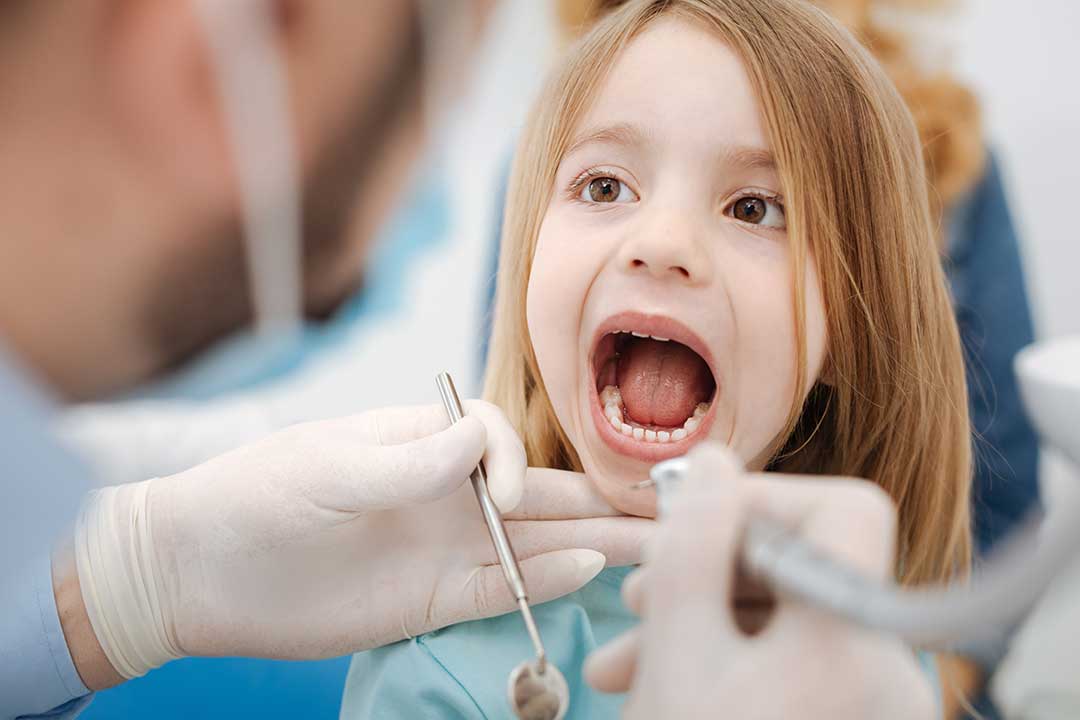
- Young children need help and supervision with brushing and flossing until they can manage well on their own, often around age 7–8.
- Grandparents or older adults may have medications that reduce saliva. This dry mouth increases cavity risk, so sipping water and avoiding sticky sweets is especially important. Choosing saliva-friendly snacks and possibly using a non-alcoholic mouth rinse can offer extra protection.
What Common Myths Lead to More Cavities?
Several local misconceptions can undermine good habits. Some examples include:
- Believing fruit juices are “healthier” alternatives—these are often just as sugary and acidic as soda.
- Saving all brushing and flossing for nighttime—while night brushing is crucial, skipping morning or after-meal care leaves teeth exposed for longer periods.
- Thinking sugar-free soda can’t hurt teeth—the high acid in these drinks still wears down enamel.
- Assuming that “baby teeth don’t matter”—decay in primary teeth can affect permanent teeth and overall health.
What Should Residents Watch for in Daily Life?
Local residents should be mindful of the subtle habits that may contribute to dental decay, such as:
- Grazing on snacks throughout the day rather than keeping meals to set times
- Using sweeteners or honey in coffee or tea, which can linger on teeth for hours
- Trusting that “sugarless” means safe for teeth, as acids or hidden sugars still cause damage
Paying attention to these overlooked patterns—especially in households with young children or older adults—can make a substantial difference in the long run.