

 See My Latest Article on HelloNation
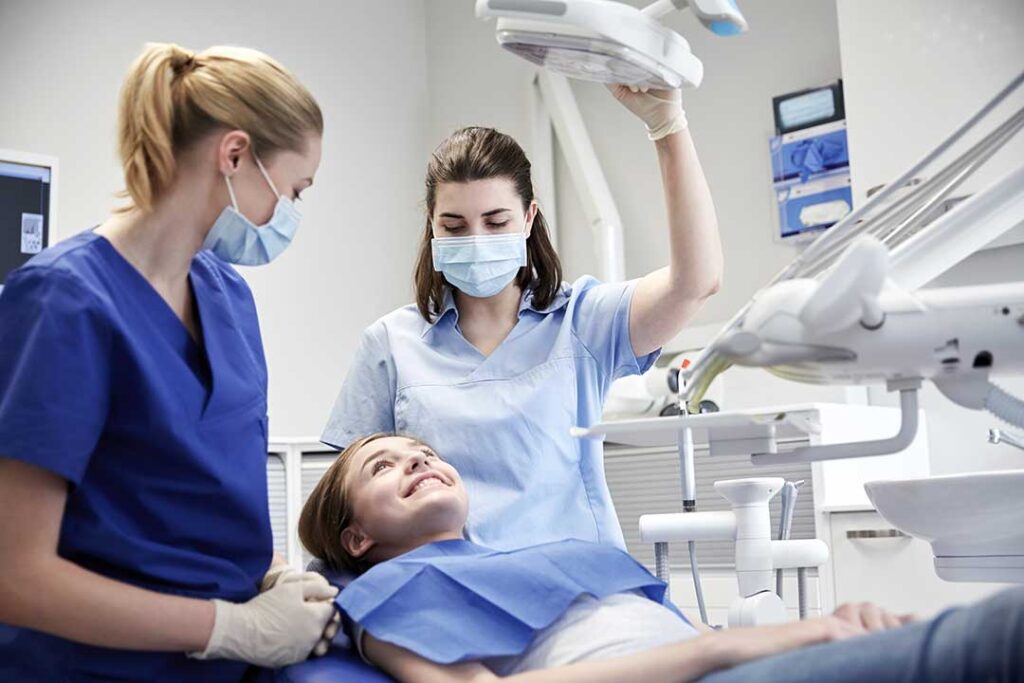
What Are Safe At-Home Teeth Whitening Methods?
Safe at-home teeth whitening relies on using well-understood, gentle methods approved by dental health professionals. For local residents, the most common options include whitening toothpastes, over-the-counter strips, and some household routines.
Whitening toothpastes contain mild abrasives and may include safe levels of peroxide to help remove surface stains. Strips and gels found in retail stores often contain lower-concentration bleaching agents than those used in professional offices, making them suitable for careful home use. Brushing twice daily and flossing keeps new stains from building up.
Area households should avoid any approach not backed by reputable dental health authorities or that seems harsh. Bleach, undiluted hydrogen peroxide, abrasive powders, or social media "hacks" often cause more harm than good.
Are Natural Remedies Like Baking Soda or Charcoal Safe?
Most natural teeth whitening remedies are not recommended by dental professionals for regular use. Baking soda, when used occasionally, can gently remove surface stains but is not a true bleaching agent. Daily or aggressive use of baking soda, charcoal powders, or acidic fruit mixtures (like lemon juice) may wear down enamel and increase sensitivity over time.
While many in the community are interested in using fewer chemicals, it's better to rely on regular brushing and tried-and-true over-the-counter products when whitening at home. If residents are interested in natural options, use them infrequently and monitor for tooth sensitivity, avoiding any method that physically feels harsh on teeth.
How Does the Local Environment Affect Whitening?
The humid, coastal climate of Kiawah Island means area residents might experience slightly different dental care needs than those in drier regions. The community’s drinking water is generally not high in staining minerals, but popular local diets may include tea, coffee, and red wine—common culprits of tooth discoloration.
It can be helpful to rinse your mouth with water after consuming stain-causing foods and drinks. During peak summer humidity, ensure teeth and gums are cleaned thoroughly to minimize any risk of increased plaque or staining. If you spend time outdoors, regular hydration not only benefits overall health but also helps maintain a healthy saliva flow, which naturally washes away potential stains.
What Are the Most Common Mistakes When Whitening at Home?
Many residents inadvertently damage enamel by overusing whitening products or mixing multiple home remedies. Misconceptions include believing "the more often, the faster the results" or that natural always means safer.
Typical mistakes include:
- Using whitening gels or strips more frequently than labeled
- Allowing products to remain on teeth longer than directed
- Scrubbing aggressively with abrasive substances, such as baking soda or charcoal, daily
- Using internet-recommended pastes of fruit acids or vinegar, which can erode enamel
Always follow package instructions on any whitening product and stop use if sensitivity or gum irritation develops.
How Long Do At-Home Whitening Results Last?
The effects of at-home whitening typically last a few months, depending on diet, oral hygiene, and original tooth shade. Whitening toothpaste provides modest results that need ongoing use, while strips or gels may lighten teeth by several shades, lasting two to six months if staining foods and drinks are minimized.
Residents with frequent outdoor gatherings or social events may notice slight stain return after heavy consumption of beverages like coffee or red wine common at local gatherings. Regular brushing and occasional touch-ups with a gentle whitening product can help maintain results over time.
Who Should Avoid Whitening Their Teeth at Home?
While most adults with healthy teeth can use over-the-counter whitening options safely, several groups should exercise caution:
- Residents with untreated cavities, gum disease, or dental restorations (crowns, veneers, or tooth-colored fillings) in prominent areas
- Adolescents whose adult teeth are still developing
- Anyone experiencing significant tooth sensitivity
- Pregnant or breastfeeding individuals should consult their primary care provider before using any chemical whitening products

If any of these conditions apply, wait to try whitening until dental health is fully evaluated. Some stains, especially those caused by trauma or certain medications, will not respond to home-based methods and may need more specialized care.
What Should Residents Watch For During At-Home Whitening?
Monitor for increased tooth sensitivity—especially to cold—or gum discoloration while using whitening kits or strips. This can happen when bleaching agents irritate nerves or soft tissue but usually resolves after discontinuing treatment.
To prevent issues:
- Do not sleep with whitening products on your teeth
- Avoid applying product to irritated or bleeding gums
- Cease use immediately if pain, burning, or prolonged sensitivity occurs
If discomfort continues, seek advice to prevent long-term enamel or gum damage.
Does Drinking Water Quality or Well Water Affect Whitening?
Most area households receive municipally treated water that is safe for daily oral hygiene. If you use a private well, ensure your water is tested for excessive minerals like iron or manganese that could increase tooth staining over time. While local water typically does not contribute to staining, households with well water may want to monitor for brown or orange discoloration and adjust oral hygiene routines accordingly.
Otherwise, water quality does not directly affect whitening effectiveness or safety for those using properly formulated at-home products.
Can Whitening Products Affect Dental Restorations?
Whitening products do not lighten crowns, veneers, or tooth-colored fillings—these materials resist bleaching agents by design. If you have visible dental restorations, be aware that only natural tooth enamel will change color, potentially causing uneven tones between teeth and restorations.
Local residents with older fillings or visible restorative work should use caution with whitening products, as the final result may make these areas more noticeable rather than less. It's also wise to check for any leakage or gaps around fillings before starting whitening routines at home.